
What Is a Data Breach?
5 min read
You've probably heard the term before, maybe in the news after a big company got hacked, or in a warning email saying your account "may have been affected." But what does it actually mean for you, and why should you care?
The Simple Definition
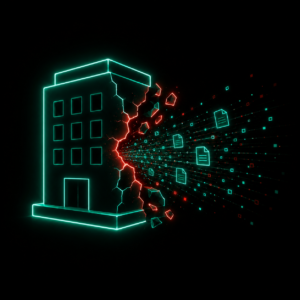
A data breach happens when a company's private data, including usernames, passwords, email addresses, and sometimes even payment details, gets accessed by someone who isn't supposed to see it. This can happen for a few different reasons: weak security systems, a targeted hacking attack, or something as simple as an employee accidentally leaving data exposed online.
Why Companies Don't Always Tell You Right Away
Believe it or not, many companies don't announce a breach immediately. Sometimes it takes weeks, months, or even years before the public finds out their data was ever exposed. By the time you get that "we detected unusual activity" email, your information could have already been circulating for a long time.
Where Does That Data Go?
Once stolen, this data doesn't just disappear. It often ends up posted, traded, or sold in hidden corners of the internet, sometimes within hours of the breach happening. From there, anyone with the right access, hackers, scammers, or automated bots, can download it and start using it against real people.

It's Bigger Than You Think
Data breaches don't just happen to small, unknown websites. Some of the largest companies in the world, ones you probably use every day, have experienced breaches affecting millions of users at once. No platform is completely immune.